Victorian gardens aren't just collections of plants—they're carefully composed outdoor rooms where every stone, path, and water feature tells a story. When you're walking through Mount Stewart or Bantry House, you're moving through spaces designed with intention. The fountains, balustrades, and terraces aren't random. They're the foundation of what makes these gardens so compelling, especially for visitors who want to understand what they're seeing.
What you'll discover as you explore these estates is how Victorian designers used hardscape features—the "bones" of the garden—to create drama, guide movement, and establish hierarchy. These aren't complicated concepts, but they're the difference between a pretty space and one that feels genuinely designed.
The Language of Formal Design
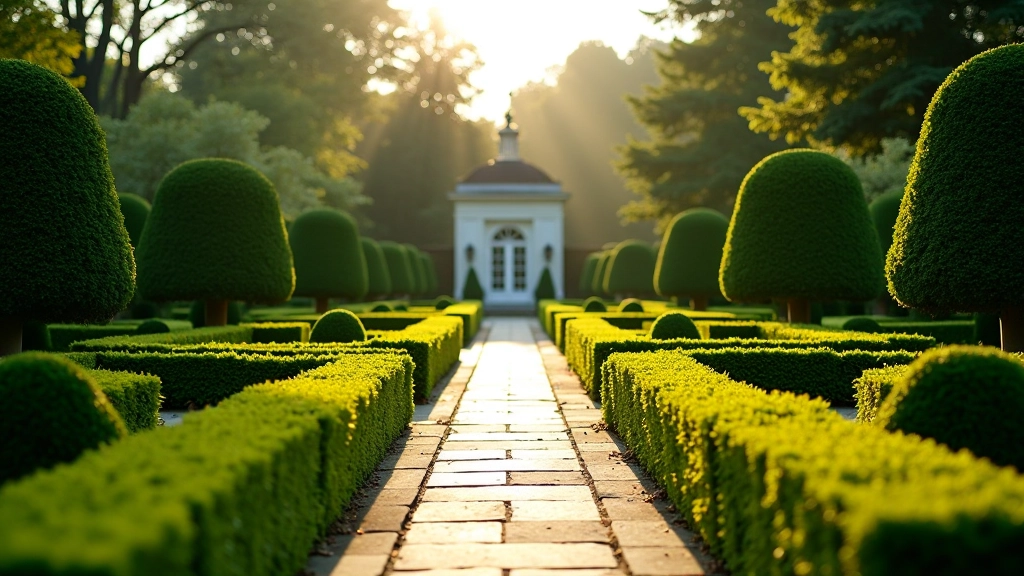
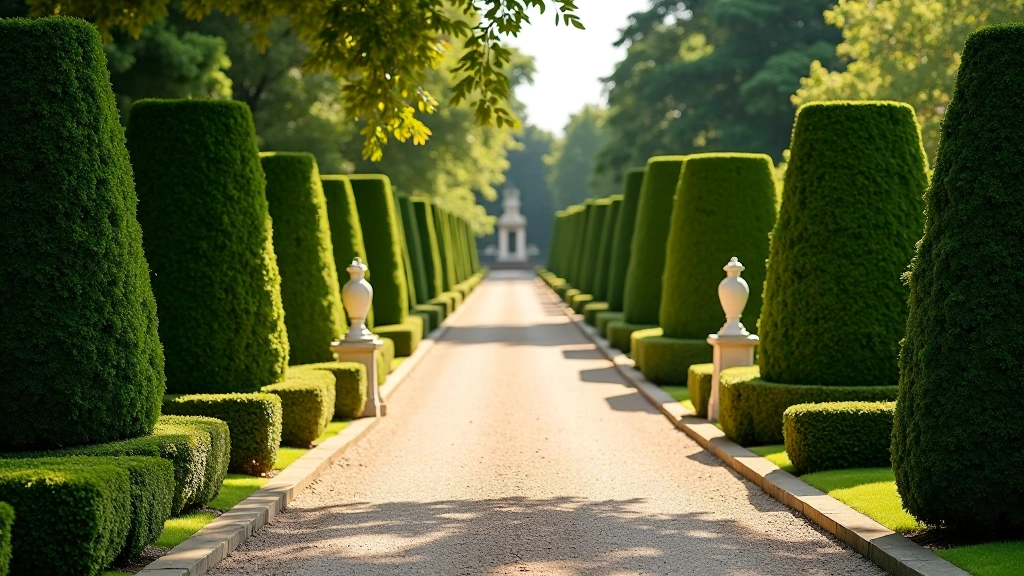
Formal Victorian gardens speak a visual language that's remarkably consistent. You'll see symmetry as the dominant organizing principle—mirror-image plantings, paths that run straight, and water features positioned on central axes. At Mount Stewart, this is especially evident in the Italian Garden, where the formal layout creates an immediate sense of order and control.
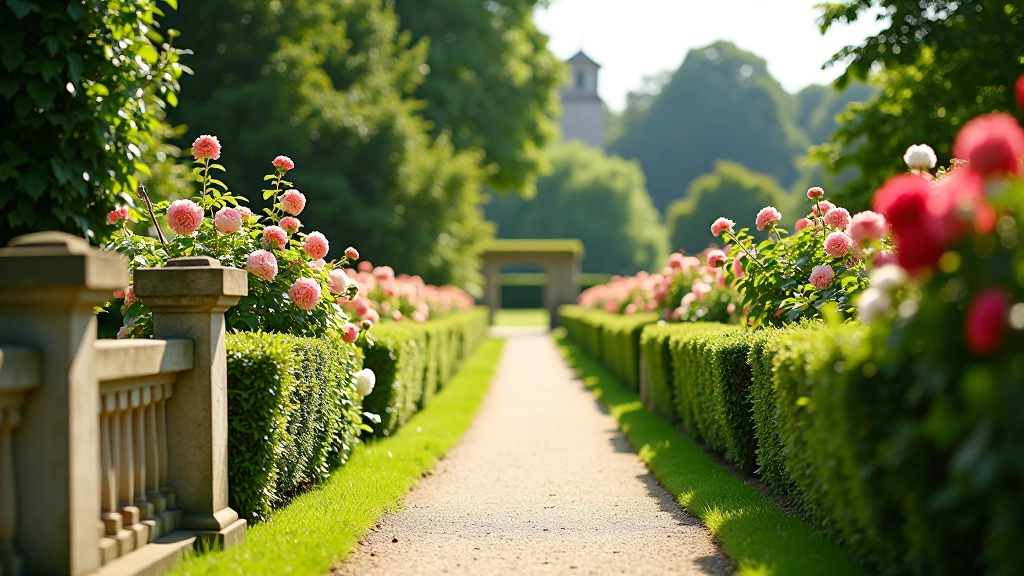
But here's what's interesting: formality doesn't mean rigidity. The Victorians understood that straight lines needed softening. They'd plant roses along a formal hedge, add ornamental grasses to blur sharp edges, or position statuary to create focal points that draw your eye along a predetermined route. It's orchestrated, but it doesn't feel suffocating.
The central axis—that invisible line running through the middle of the garden—is critical. Everything radiates from it. Paths cross at right angles. Garden rooms open onto it. Fountains sit along it. This creates a psychological sense of purpose. You're not wandering; you're progressing through a sequence.
Water Features: More Than Just Decoration
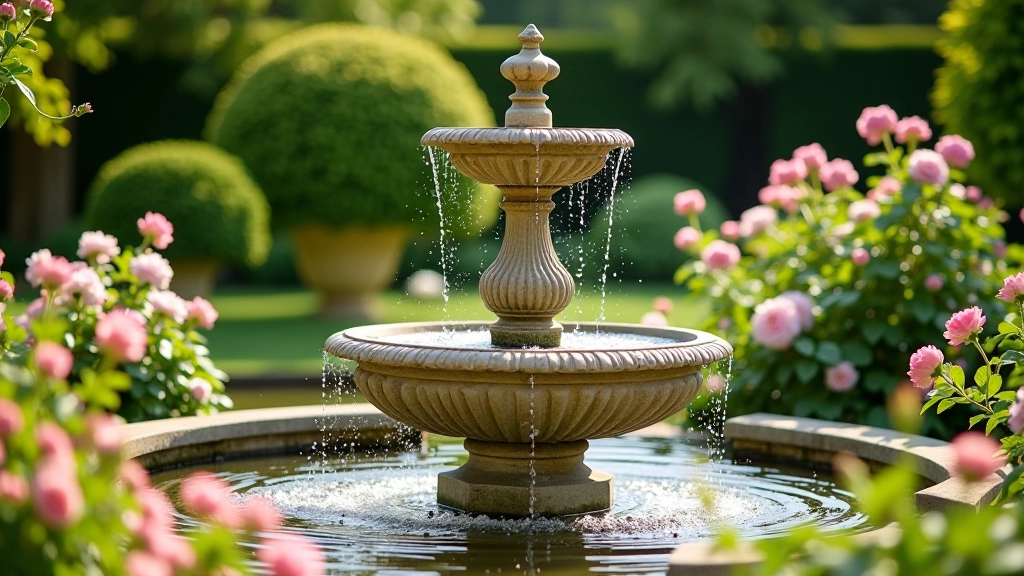
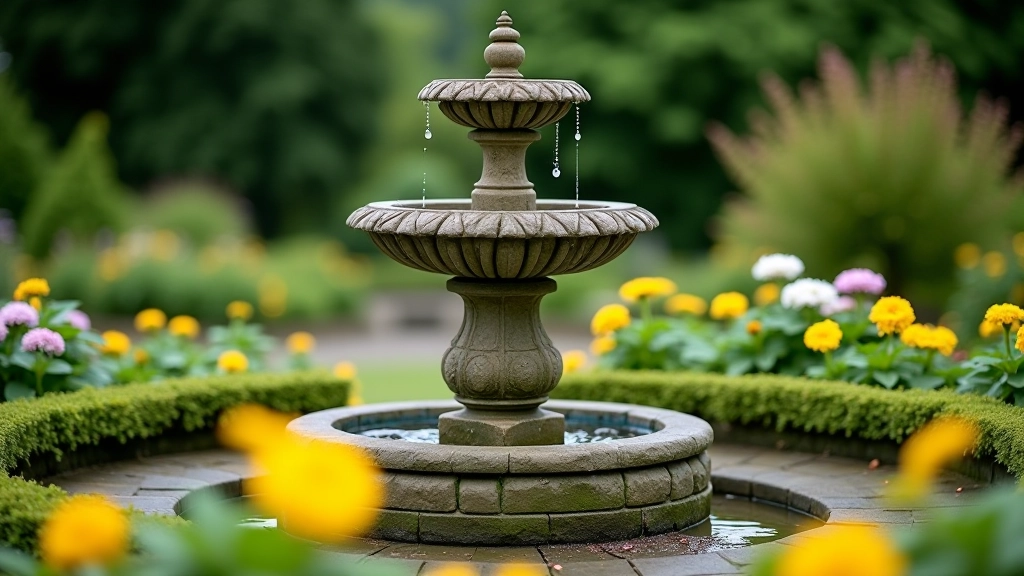
Victorian gardeners were obsessed with water. Fountains, reflecting pools, and elaborate cascade systems appear throughout both Mount Stewart and Bantry House. There's a reason for this beyond aesthetics—water creates movement, sound, and light play. It catches your attention and holds it.
The fountain isn't placed randomly. It's positioned to be discovered at the end of a path, or positioned centrally so that multiple garden areas radiate from it. The water itself reflects sky and clouds, creating a living, changing element in a space full of static elements. On a sunny afternoon, you'll see how sunlight dances across the water surface. On an overcast day, it creates a somber mirror.
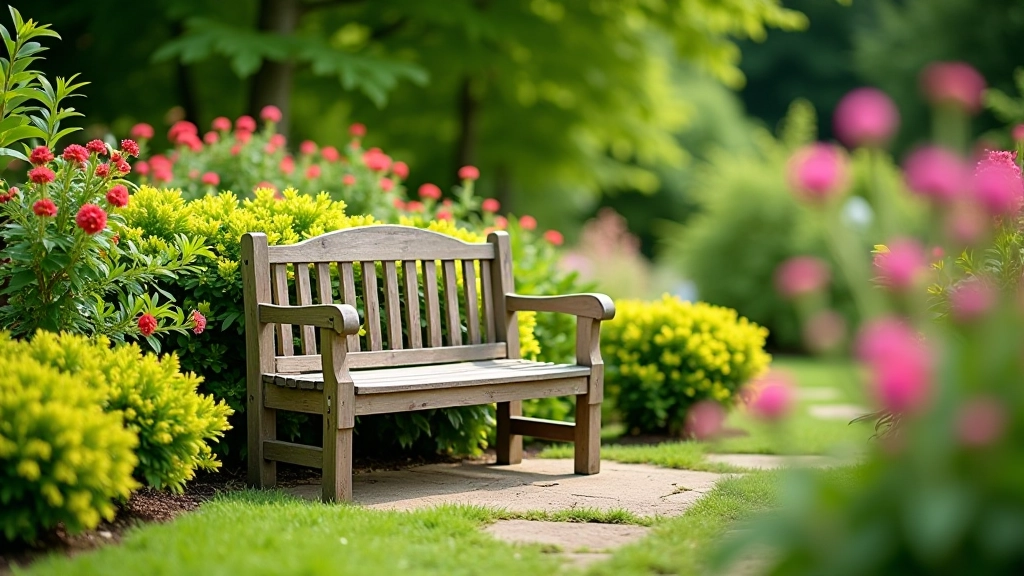
If you're visiting with mobility considerations, fountains matter practically too. They're destinations. They give you a reason to walk a particular route and a place to rest when you arrive.
Key Architectural Elements You'll Notice
- Balustrades: Stone railings with decorative balusters—these define edges, create safety, and establish formality
- Pergolas and Arbours: Overhead structures creating rhythm and framing views while providing shade
- Terracing: Leveled garden areas that manage steep terrain and create visual "rooms"
- Statuary: Positioned strategically to create focal points and guide movement
- Urns and Vases: Container plantings that punctuate borders and define pathways
Terracing and Spatial Flow
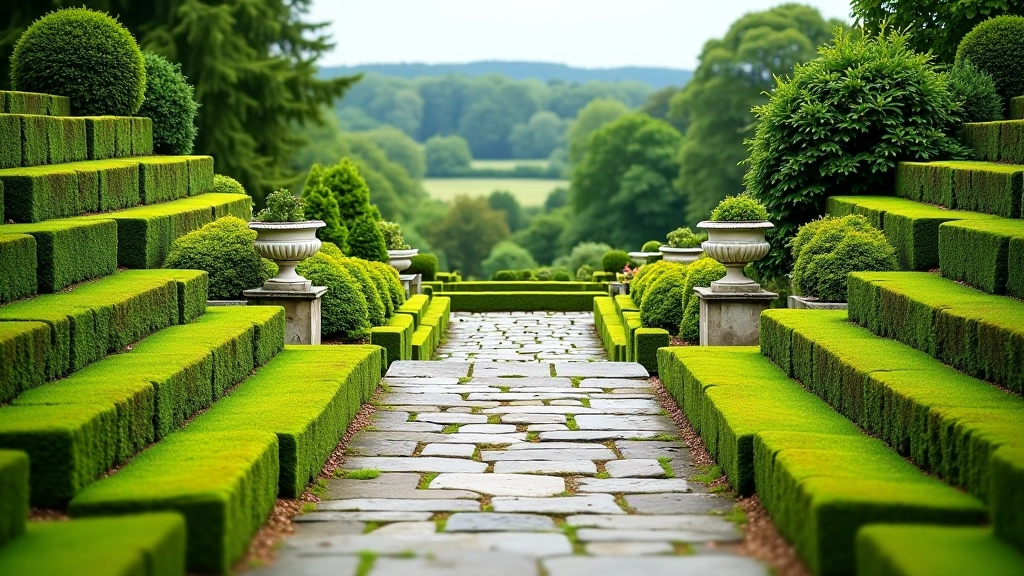
Both estates sit on uneven terrain, and the Victorian response was brilliant: terracing. Rather than fighting the slope, designers created distinct levels. Each level becomes its own garden "room," yet they're visually connected through sight lines and carefully positioned steps.
At Bantry House, you'll experience this directly. Walking from one terrace to another changes your perspective entirely. What seemed like a wall of hedge from above reveals itself as an entrance to a new planting area. What appeared flat from one level shows itself as a gentle slope from another. The designers weren't just managing topography—they were creating narrative through elevation change.
This matters for visitors with varying mobility. Terraces mean you can experience multiple garden areas without covering vast horizontal distances. You move up or down in discrete steps, and each shift brings you to a new focal point.
Color, Texture, and Architectural Plant Use
The hardscape elements—stone, water, statuary—form the skeleton, but the plants are the flesh. Victorian designers weren't just selecting pretty flowers. They were thinking architecturally about plants.
You'll notice topiary—carefully clipped shrubs creating solid geometric forms. Hedging in straight lines. Climbing plants trained formally along structures. These aren't casual plantings. Each plant is positioned to reinforce the architectural intent. Dark yew hedges create a solid backdrop for lighter flowering plants. Climbing roses soften hard stone edges. Ornamental grasses add movement without breaking the formal geometry.
The color palette is restrained. You won't see riot-of-color borders. Instead, you'll find sophisticated combinations: pale pink roses against dark foliage, white flowers emerging from deep green hedging, purple-leafed plants adding depth without brightness. This restraint makes the gardens feel timeless rather than trendy.
Understanding the Design Builds Appreciation
Walking through a Victorian garden with an understanding of its architectural principles changes what you see. That fountain isn't just sitting there—it's terminating a view axis. Those hedges aren't random—they're creating a sequence of discoveries. The terracing isn't a happy accident—it's choreography.
When you visit Mount Stewart or Bantry House, you're experiencing design decisions made 100-150 years ago that still work perfectly. The formality creates calm. The water features draw you deeper into the gardens. The terracing manages the terrain so gracefully that you don't notice the effort. The architectural plants frame views and guide movement.
These aren't gardens that demand you understand their design to enjoy them. But understanding them—recognizing the intention behind every stone, every path, every carefully positioned plant—transforms a pleasant walk into something genuinely moving. You're not just seeing a garden. You're reading the mind of a designer who understood how to compose space, guide movement, and create beauty that endures.
Important Information
The information in this article is provided for educational and informational purposes to help visitors understand Victorian garden design principles and history. While we've aimed for accuracy, garden conditions, access routes, and features change seasonally and may be affected by maintenance or weather. Before visiting Mount Stewart or Bantry House, we recommend checking their official websites for current opening hours, accessibility information, and any area closures. If you have specific mobility needs or accessibility questions, contact the estates directly—their staff can provide detailed guidance about routes and facilities.