A Garden Like No Other in County Down
Mount Stewart's Italian Garden sits in the shadow of one of Northern Ireland's grandest houses, yet it's utterly its own thing. Built in the 1920s by Lady Londonderry, this formal garden captures the essence of Mediterranean style — clipped hedges, ornamental stonework, and colour combinations you'd swear could only exist under a warmer sun. The thing is, it works beautifully against the Irish landscape.
What makes this walk so special isn't just the views (though they're brilliant). It's that you can move through distinct garden rooms, each with its own character. For anyone who likes structure and detail, this garden rewards close attention. Every hedge pattern has a reason. Every stone placement was deliberate.
Starting at the Garden Gates
You'll enter through the formal gates at the top of the gardens. Don't rush past them — the ironwork is genuinely worth examining. It's got that Italian influence in the details, with scrollwork and geometric patterns that set the tone for what's ahead.
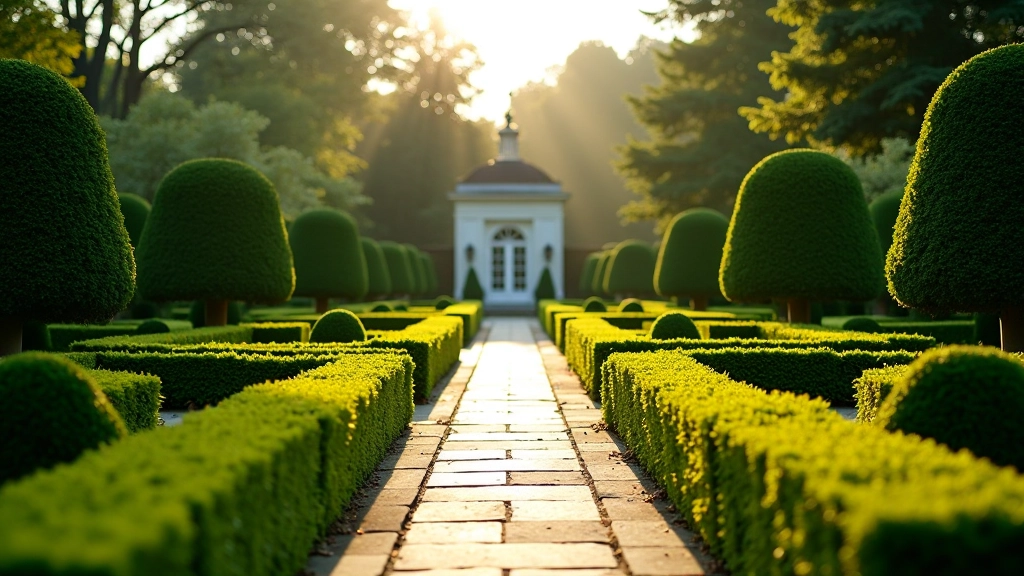
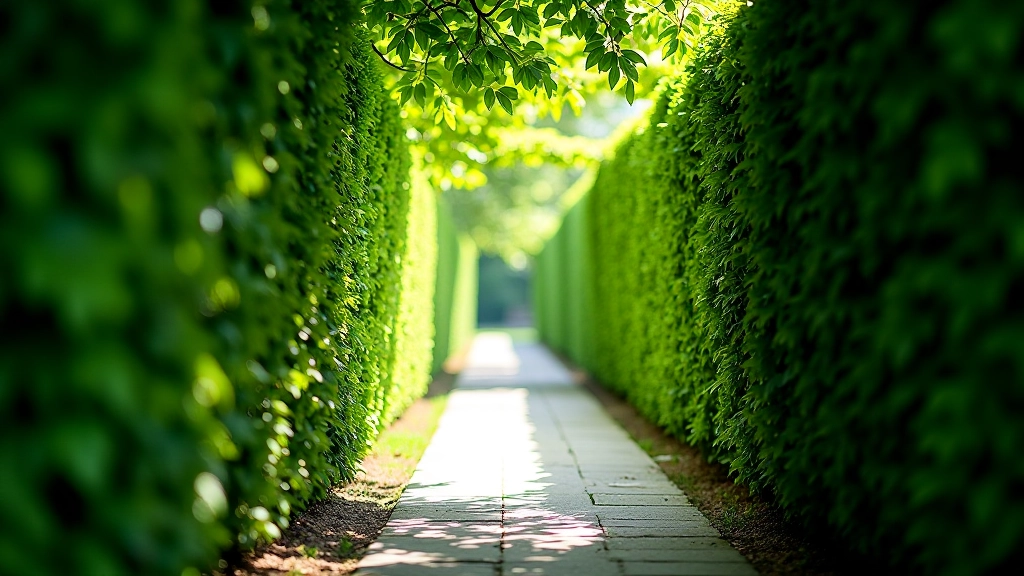
From here, the main axial path pulls you downhill toward the house. On either side, you've got the high clipped hedges that Lady Londonderry used to create those "rooms" I mentioned. The paths are wide enough for two people comfortably, which matters if you're walking with someone. Most of the route is paved, though some sections can get muddy after rain — bring decent shoes.
The first garden room is called the Upper Italian Garden. It's formal, almost austere in its design. The hedging is predominantly yew and box, kept to precise heights. You'll see topiary shapes — some simple geometric forms, others more elaborate. The colour palette is green and grey stone, which sounds minimal but creates this calming atmosphere that's hard to describe until you're actually standing in it.

The Central Garden Room
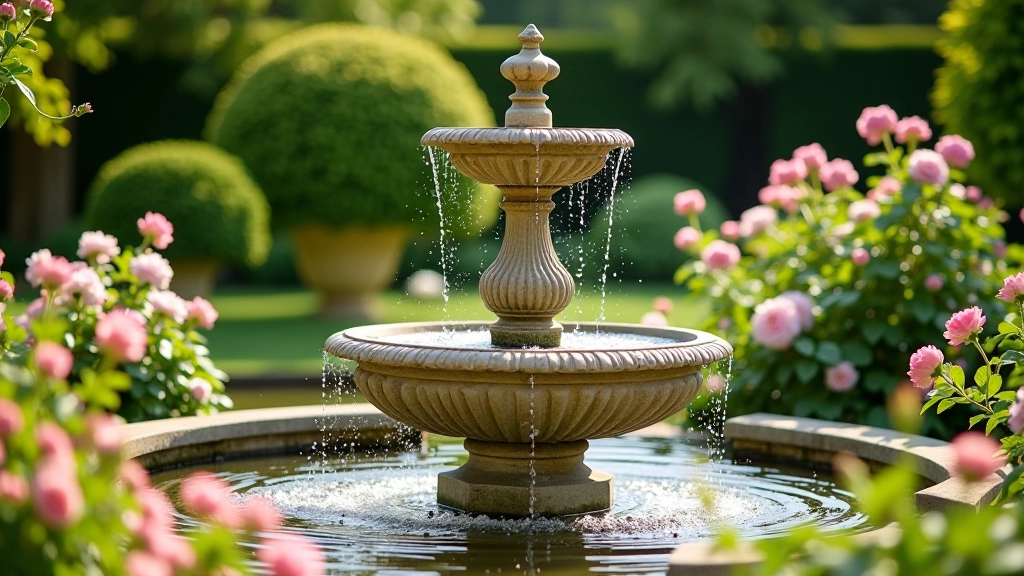
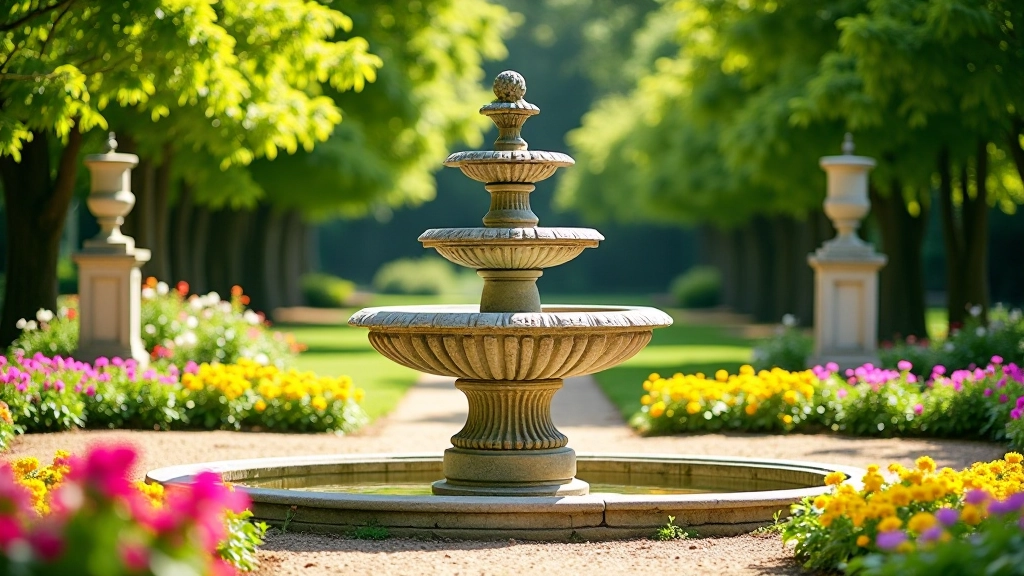
Moving downhill, you'll reach what locals call the Middle Garden. This is where the design becomes more decorative. There's a central feature — usually something with water, though the specifics change seasonally — and the planting becomes more varied. You'll see bedding plants here, and the colour schemes change with the seasons.
If you're visiting in late spring or summer, you'll notice the herbaceous borders along the hedged walls. These aren't accidental splashes of colour. They're carefully planned to give you blues, yellows, and purples working together. The gardeners here understand colour theory properly. There's nothing jarring about it.
Take time on this section. Sit on one of the stone benches if there's one available. The views back up the garden toward the gates are genuinely photogenic, and the perspective changes completely depending on where you stand. It's worth experiencing from multiple angles.
Key Features to Look For
The Topiary Collection
Look for the animal and bird shapes scattered throughout. These aren't recent additions — some date back to the original planting. They're genuinely impressive feats of horticultural patience.
Rare Plantings
The National Trust maintains several unusual specimens here. There's a Paulownia tree that flowers magnificently in early summer, and various tender perennials that thrive in this sheltered microclimate.
The Staircase Features
Stone staircases connect different levels. They're functional but also sculptural — worth photographing from different angles. The handrails have some beautiful carved details.
The Lower Gardens and Plunge Pool
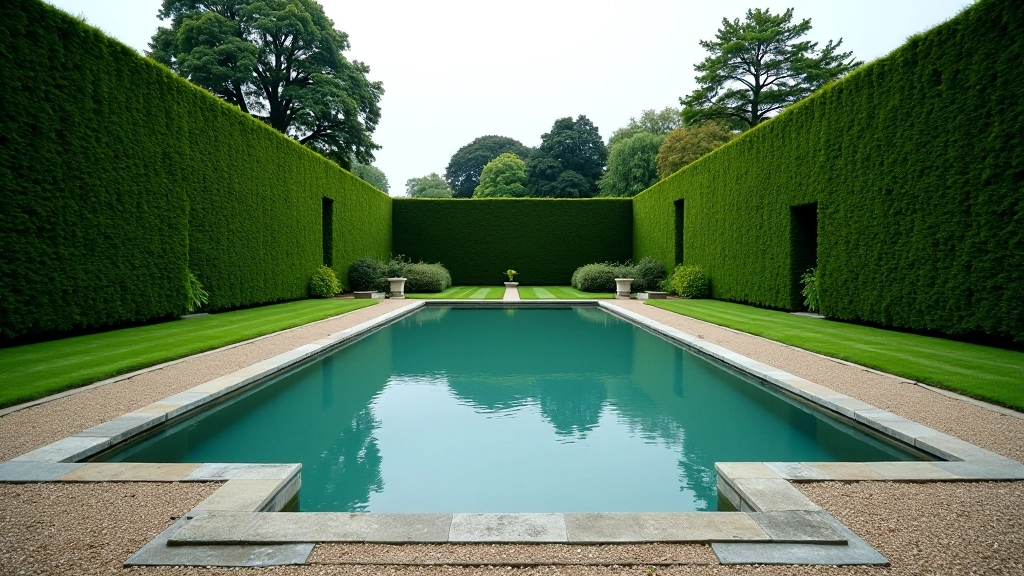
As you descend further, the garden opens up. The lower sections are less densely planted, and you get actual vistas across the grounds toward the wider Mount Stewart estate. There's a pool area here — originally functional, now primarily ornamental. It's a good spot to pause and orient yourself with where you've come from.
The planting in this section is sparser, which gives you a clearer view of the architectural elements. You'll notice the stone balustrades and the careful positioning of urns and statuary. Everything's positioned to frame views or create focal points along the paths.
Walking the Garden: Practical Tips
The full walk takes about 90 minutes if you're moving steadily, or 2-3 hours if you're the type to stop regularly and soak things in. Most people spend around 2 hours here. The total distance is roughly 1.5 kilometres, mostly downhill on the way in, so bear in mind you'll be walking uphill on the return.
There's a reasonable amount of shade from the mature hedges and specimen trees. Still, bring a hat and sunscreen if the weather's bright — the stone paths reflect heat and you can get unexpected exposure.
The paths are well-maintained. You won't find yourself scrambling over roots or anything like that. The main hazard is uneven paving in a few spots, so watch your footing. Handrails are present on the steeper sections, which is reassuring.
Why This Garden Matters
Mount Stewart's Italian Garden isn't famous because it's huge or exotic. It's significant because it represents a very specific moment in garden design — that interwar period when British gardeners were experimenting with formal Mediterranean styles. Lady Londonderry had seen Italian gardens firsthand, and she brought those principles home to County Down.
What you'll appreciate walking through it is the sheer intentionality. Nothing here is accidental. The hedges are shaped that way deliberately. The colour combinations are planned years in advance. The views are framed to guide your eye in specific directions. It's a garden that rewards attention, and that's becoming rarer.
If you're someone who enjoys structure, historical detail, and carefully composed landscapes, you'll find this walk genuinely absorbing. And if you're just after a pleasant couple of hours in well-maintained gardens with good paths and interesting architecture, you'll get that too. It's accessible on multiple levels, which is part of why it's been so enduringly popular.
Important Information
This guide is intended for educational and informational purposes. Mount Stewart is open seasonally and visitor facilities can vary. Before planning your visit, check the National Trust website for current opening hours, admission fees, and any access restrictions. Weather conditions can affect path accessibility, particularly after heavy rain. Wear appropriate footwear and bring weather-appropriate clothing. If you have mobility concerns, contact Mount Stewart directly to discuss accessible routes and facilities available during your visit.