
Seasonal Highlights and Best Times to Visit
Discover when Mount Stewart and Bantry House gardens reveal their most spectacular beauty throughout the year
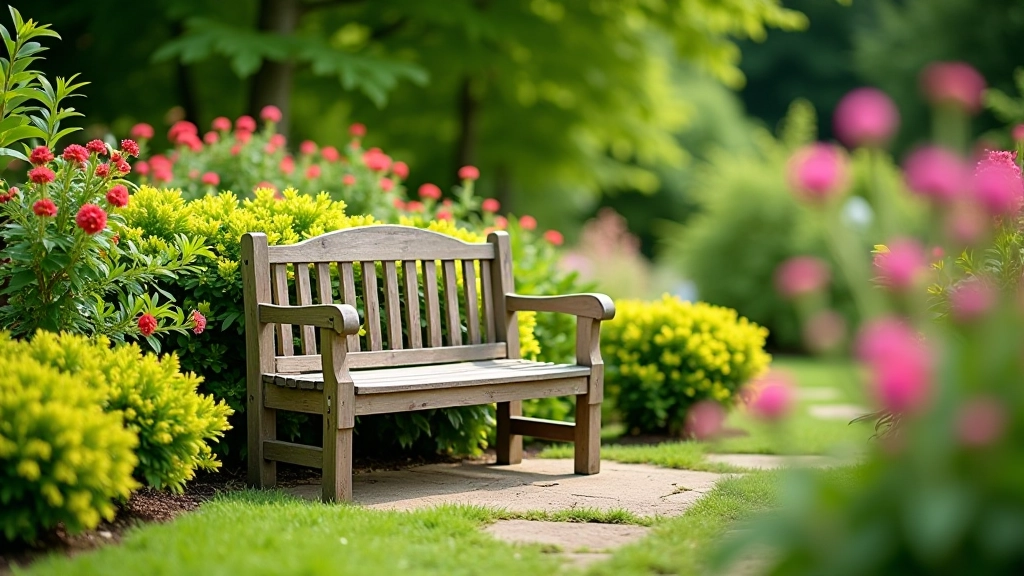
These two gardens aren't the same from one month to the next. Spring brings something different than summer, and autumn's something else entirely. If you're planning a visit and want to see the gardens at their best, timing matters. We'll walk you through what each season offers so you can pick the right time for your visit.
Mount Stewart's formal gardens and Bantry House's woodland walks each have their own rhythm. Some visitors come for the rhododendrons in late spring. Others want the peak summer colors. There's something to appreciate year-round, but knowing what to expect helps you plan better. Let's explore what each season brings.
Spring Glory
April to May sees rhododendrons and azaleas at peak bloom
Summer Color
June through August delivers vibrant borders and long daylight hours
Autumn Wonder
September to November brings foliage colors and quieter paths
Winter Stillness
December to February offers structure and peaceful contemplation
Spring: The Peak Rhododendron Season
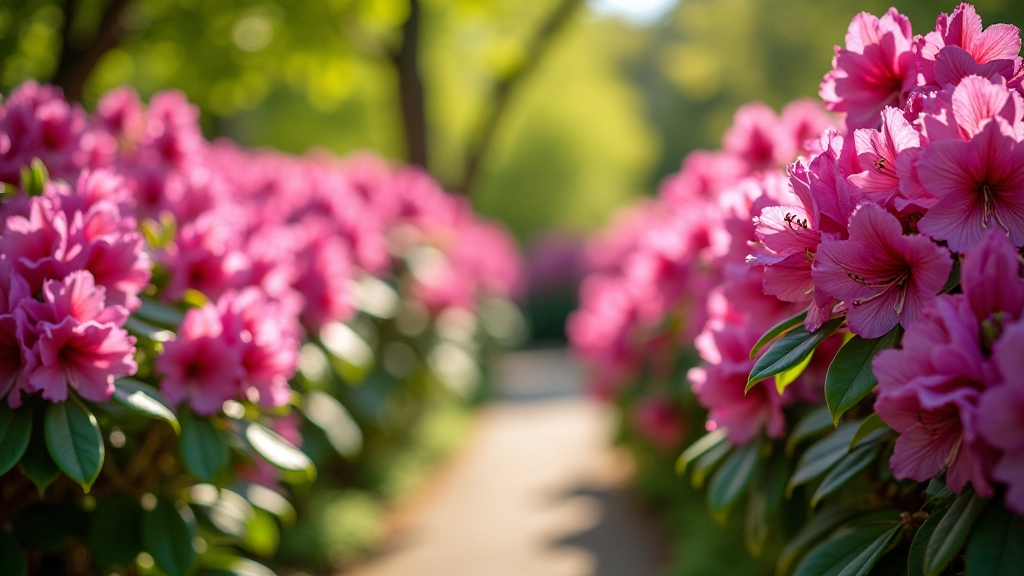
Late April through May is when Mount Stewart becomes absolutely stunning. The rhododendrons that line the garden's main pathways are in full flower. You'll see deep purples, bright reds, soft pinks, and pure whites. It's not subtle—these plants are showing off, and they're worth timing your visit around.
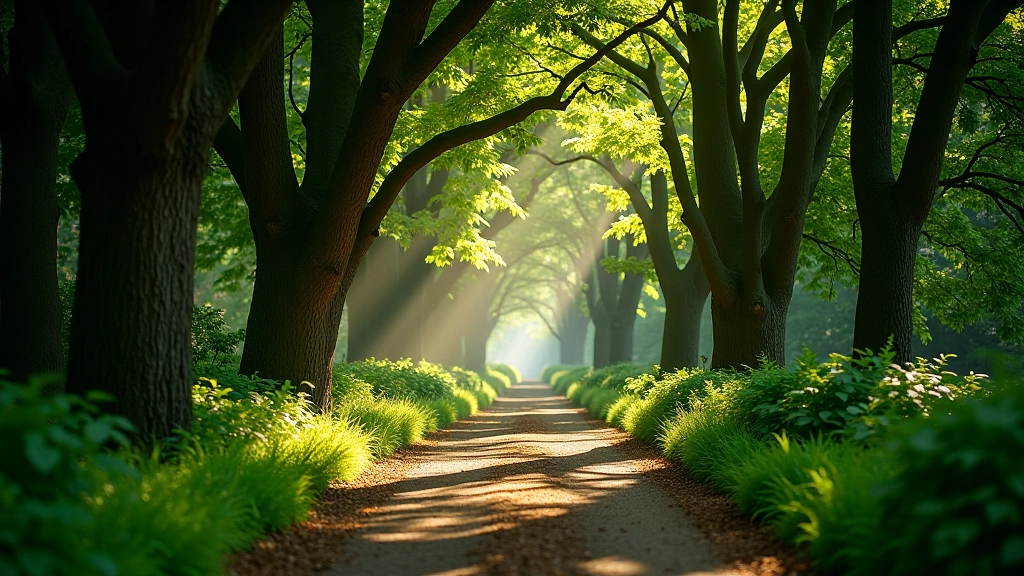
The woodland walk at Bantry House also wakes up during spring. Bluebells carpet the forest floor in late April and early May. If you're visiting both properties, you're getting two completely different spring experiences. Mount Stewart's manicured formality contrasts beautifully with Bantry's wild woodland character.
Walking conditions are generally good in spring, though some paths can still be muddy in late March and early April. By mid-May, the ground's usually dried out nicely. You'll notice the air temperature warming up—expect highs around 14-16°C (57-61°F) in April, climbing to about 17-19°C (63-66°F) by late May. Bring a light jacket because mornings and evenings are still cool.
Summer: Long Days and Full Gardens
June, July, and August bring the longest daylight hours of the year. Sunset doesn't come until nearly 10 PM in late June and early July. That means you can visit in the late afternoon and still have plenty of light for photography or just wandering the paths.
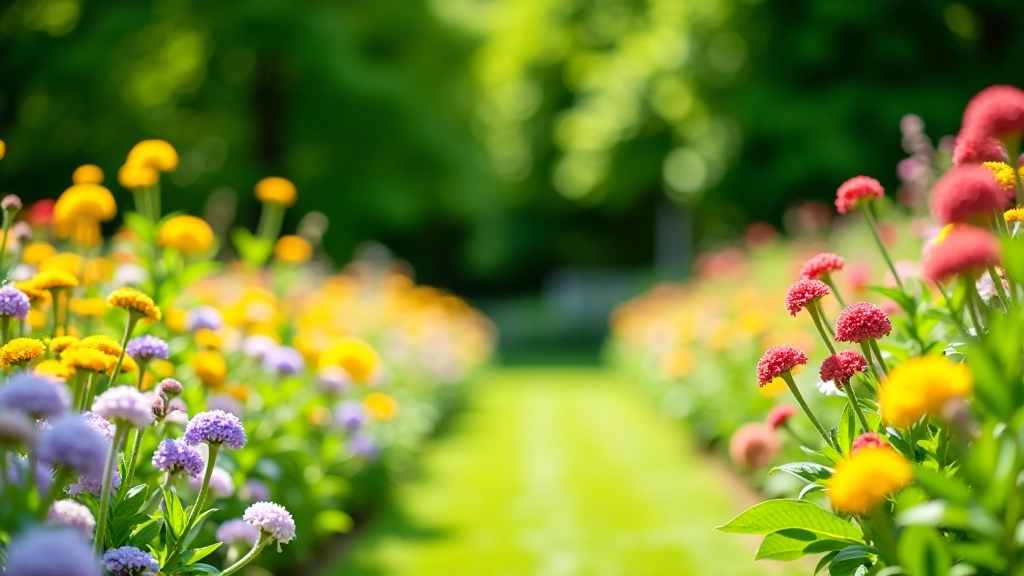
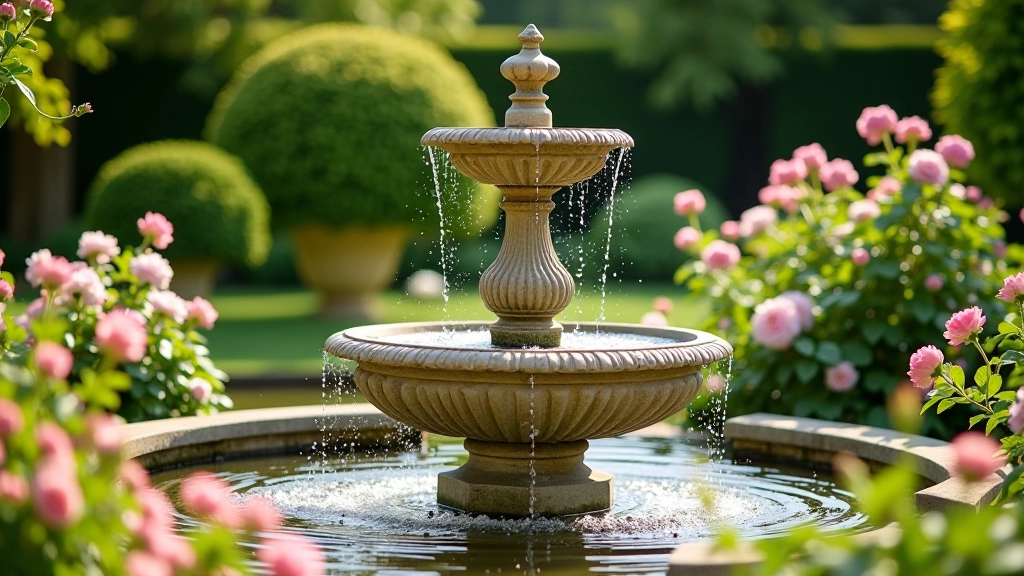
The herbaceous borders at Mount Stewart are at their absolute peak during summer. After the spring rhododendrons fade, the focus shifts to delphiniums, dahlias, salvias, and roses. It's different from spring's spectacle but equally impressive in its own way. The formal gardens show why they're considered among the finest in Ireland. Bantry's woodland areas stay cooler and greener during summer heat, making them pleasant for longer walks.
Summer temperatures hover around 18-20°C (64-68°F) on average, though you might get days that reach 22-25°C (72-77°F). The main challenge is handling crowds. July and August are peak tourist season, so paths can get busy, especially in the afternoons. If you prefer quieter visits, aim for late June or early September when the weather's still good but visitor numbers drop.
Autumn: Colors and Clarity
September and October deliver some of the best walking conditions of the year. Temperatures drop to around 15-17°C (59-63°F), which feels comfortable for extended walks. The summer crowds have largely departed, so you'll have a much quieter experience exploring both gardens.
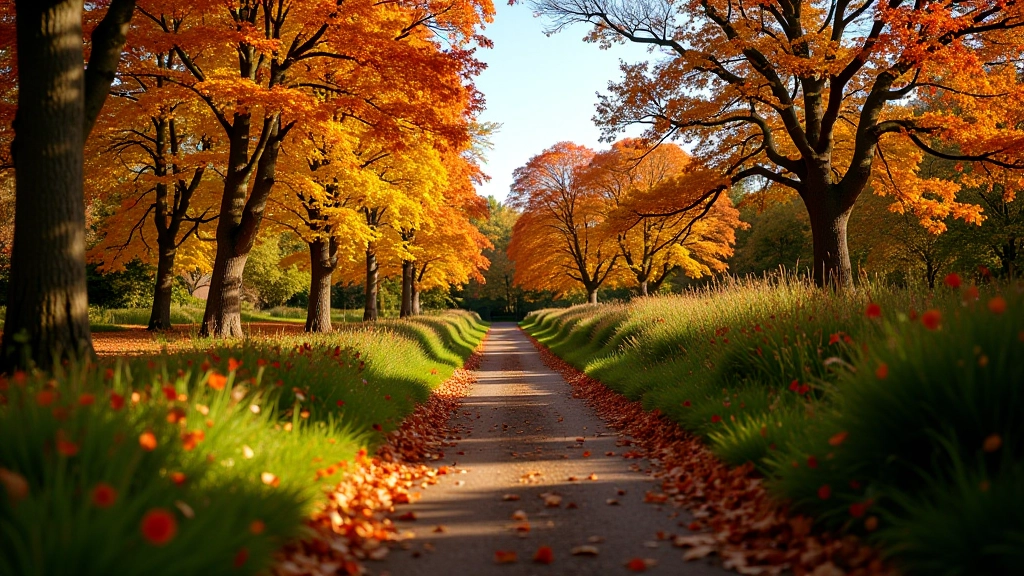
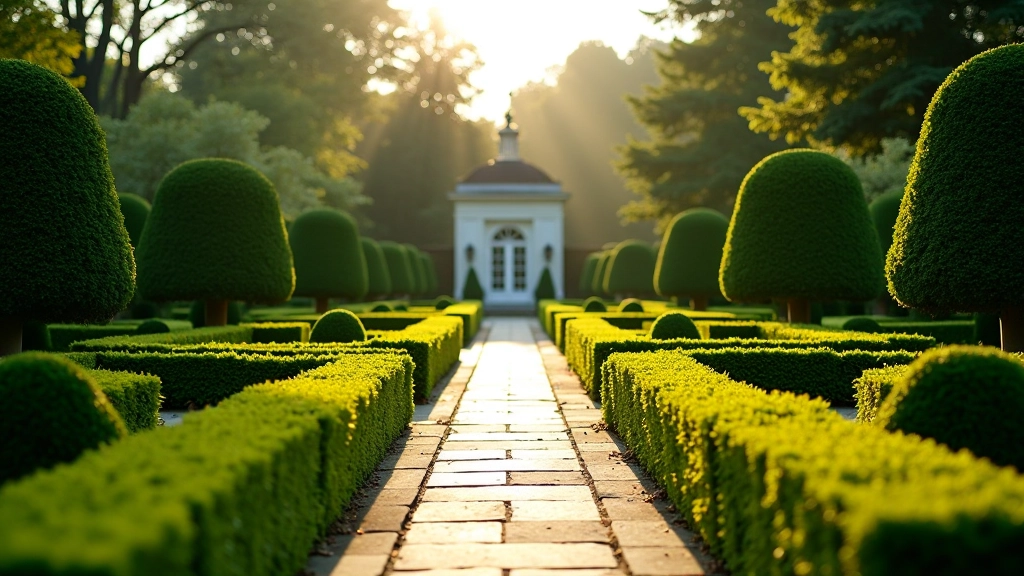
Foliage colors start shifting in late September. The trees around Bantry's woodland walk turn brilliant oranges and golds. Mount Stewart's formal gardens take on a different character as the flowers fade—you start noticing the structure of the hedges and the geometric patterns of the garden design. The light itself changes in autumn, becoming lower and softer, which photographers often prefer.
Late-blooming plants like asters and Japanese anemones extend the color season into October. If you visit in early October, you'll catch both autumn foliage and these final flower displays. November gets increasingly gray and damp, but the lack of leaves on trees reveals views you can't see in summer. Winter structure becomes visible—the bones of the gardens show through.
Winter: Quiet and Structure
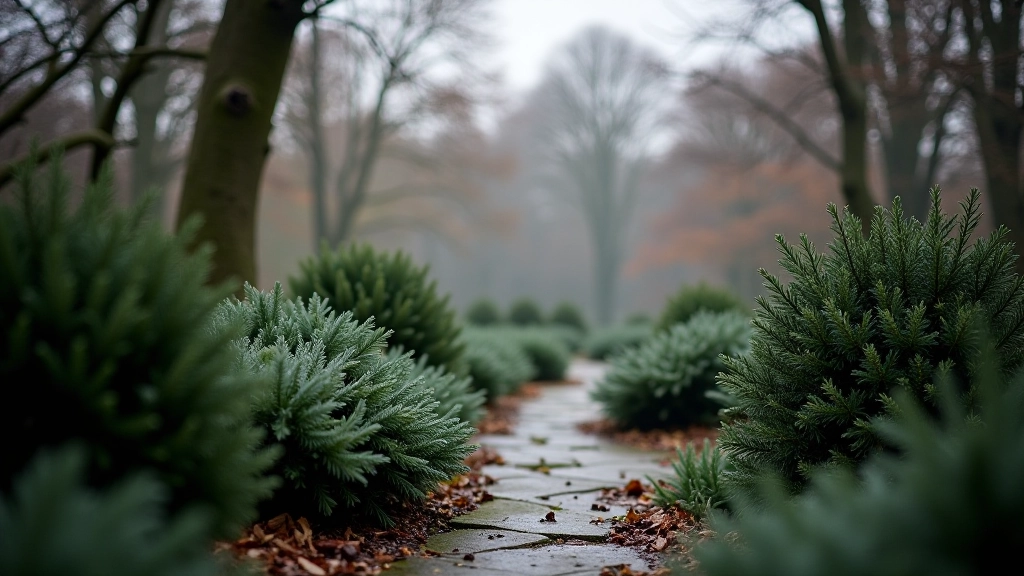
December through February is the quietest season at both gardens. You won't find much in bloom, but that's not the point. Winter's appeal lies in experiencing the gardens' architectural bones. Without leaves obscuring views, you can appreciate how the paths are laid out, how the hedges frame perspectives, and how the overall design works.
Temperatures drop to 4-8°C (39-46°F) on average. Frost can make paths slippery, so wear appropriate footwear. On clear winter days, when frost hasn't melted yet, the gardens have a crisp, beautiful quality. Ice on leaves and spider webs catches the low winter sun. It's atmospheric and peaceful—very different from summer's lushness, but worth experiencing.
Opening hours do change in winter at both properties, and some areas might be less accessible due to maintenance. Check ahead before you go. The advantage is that winter visits feel special. You're not just seeing the gardens in their off-season—you're seeing them as they really are, without the floral distraction. It's a different kind of beauty that many serious garden enthusiasts actually prefer.
Planning Your Visit: Quick Reference
Best Overall Season
May to early June. You're getting the tail end of spring flowers and the start of summer color, with comfortable weather and longer daylight without peak crowds.
Best for Crowds Avoidance
Late September and early October. Great weather, all plants still looking good, and visitor numbers drop significantly after the summer holidays.
Best for Photography
Early spring (late April) or autumn (October). The lower sun angle creates better light, and spring flowers or autumn foliage provide excellent color contrast.
Best for Accessible Walking
May through September. Paths are dry, weather is mild, and you have good visibility. Avoid late March and November when paths can be muddy.
Best for Solitude
Winter months and late autumn. You'll have paths largely to yourself, though bring warm clothing and check opening hours ahead of time.
Best for Specific Flowers
Late April for rhododendrons, late May for bluebells, July-August for herbaceous borders, October for foliage color.
Practical Tips for Every Season
Check Weather Ahead
Irish weather changes quickly. A forecast of rain doesn't necessarily mean cancel—often showers pass in 20 minutes. But do check, and dress in layers you can remove.
Wear Proper Footwear
Spring and autumn paths can be muddy. Winter paths can be icy. Good walking boots with grip are worth the investment if you visit regularly. Trainers work fine in summer and autumn after dry spells.
Plan Realistic Walking Time
Don't rush. A full circuit at either property takes 90 minutes to 2 hours at a comfortable pace. Build in time for stopping to sit on benches and just absorb the surroundings.
Bring Hydration and Snacks
You'll be walking longer than expected. Bring water and perhaps a small snack. Neither property is large enough that you'll struggle, but having water makes the experience more comfortable.
Visit at Different Times of Day
Morning light is different from afternoon light. If you visit twice in the same season, go at different times. You'll see the gardens in completely different ways.

About This Guide
This article provides educational information about seasonal conditions at Mount Stewart and Bantry House gardens. Seasonal timings, weather conditions, and opening hours can vary year to year. We recommend checking the official websites of both properties before planning your visit to confirm current opening times, access restrictions, and any seasonal closures. This guide is intended to help with planning but shouldn't replace direct contact with the properties themselves. Weather in Ireland is unpredictable—always check the forecast and dress for changing conditions. If you have mobility concerns, contact the properties ahead of your visit to discuss accessible routes and facilities.